One Year Into archery - my 5 biggest takeaways
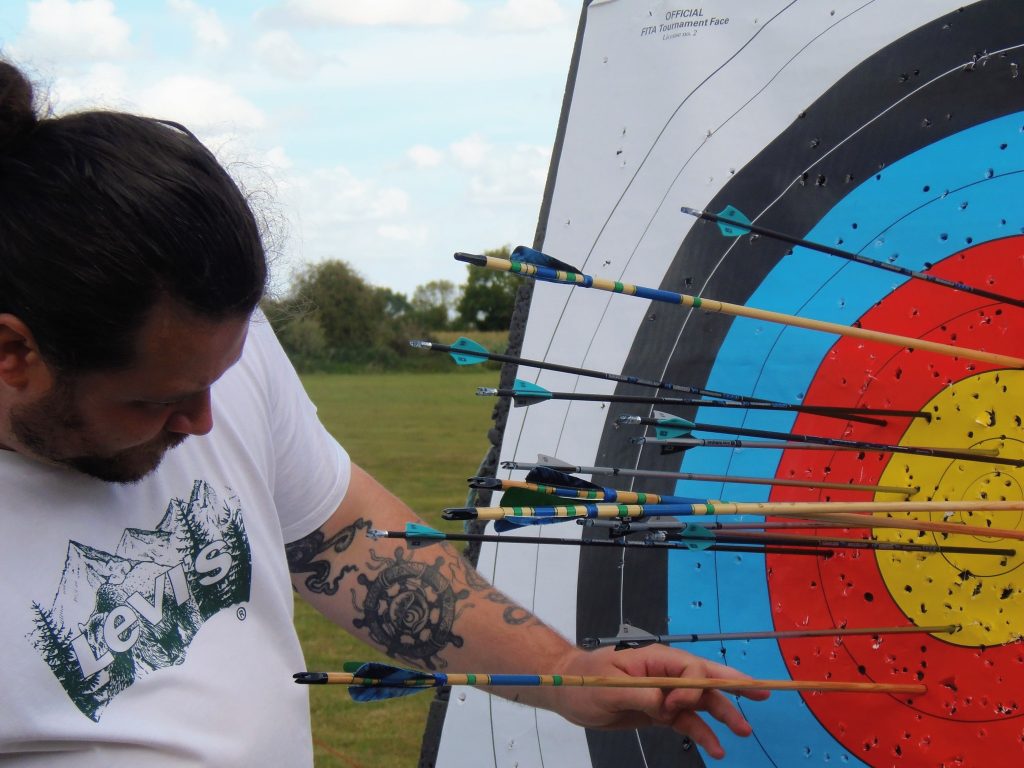
After moving back to Norfolk in 2024, we were visiting the in-laws when my partner spotted a group of people standing in a field, in the cold grey British winter, shooting at a number of targets. After a quick Google and scoping out the scene I was in the same field the following week, borrowing one of the club’s bows and shooting at those same targets.
In my youth, I borrowed my older brother’s one piece fibreglass bow. I convinced my parents to buy a string and a set of arrows and across the fields I went. Within the same day half the arrows were lost in the farmer’s fields, stuck in trees or swallowed up by the long grass, never to be seen again. But I enjoyed it all the same!
Reconnecting with this sport has brought me back to something I didn’t realise I’d missed. I’ve met a great bunch of people at the club and discovered a wider archery community. After a year of shooting and much reflection I wanted to share 5 takeaways I learnt so far in my target archery journey.
1. Form Matters More Than Strength
I started on a 22# club bow before moving to my own 34# bow. I thought this would improve my score instantly. It got worse…
Initially I thought this was lesson that only applied to myself but I believe it’s a pitfall maybe beginners like me fall into. I thought a higher poundage bow equalled better results. That they shoot further and longer. I found out quickly how wrong this was. I started on a 22# barebow, mainly inside at a range of 20 feet. At the time, I didn’t appreciate that this was more than enough to get good consistent scores and a chance to improve on form without tiring myself out.
After a year of archery, I realised no one cares about the poundage of your bow. It’s how you use it!
I also started right-handed but after several months I realised my left eye was now more dominant. I did the typical tests at the beginning of my journey! My eyes just swapped in dominance.
I switched from right-handed to left-handed and had to learn it all from scratch in a way that did not feel natural. This really took me back to the fundamentals and it was months before it felt natural and my scores improved. But a big lesson from this was moving back down to a lower poundage bow meant I could slow it down a bit, have greater control over my shooting and focus on technique.
One of the biggest pieces of advice I got early on was to not worry about the scores, and even remove the target face completely. >To just focus on thing at a time. Get my form correct before thinking about rushing into a bigger bow.
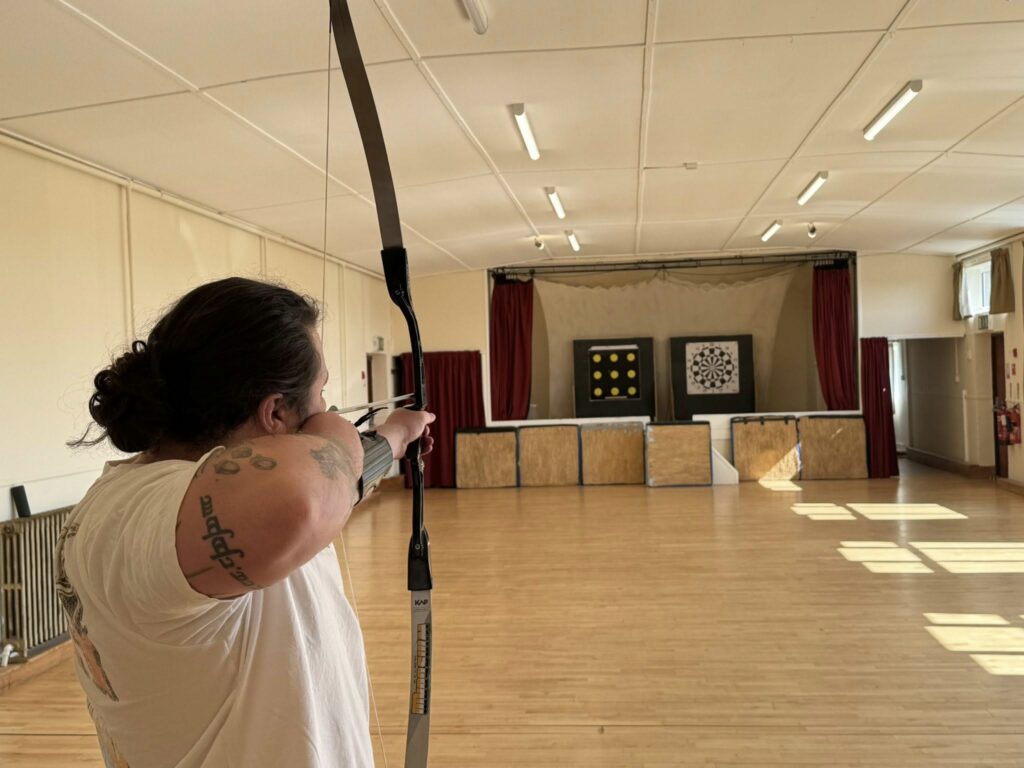
Right handed but left eye dominant
2. Mental Focus Is Half the Sport
This statement could be applied to every sport. But as a beginner to archery it took many sessions to really understand this and how it impacted my shooting.
Every session felt unique, from shooting inside or outside. This was what actually made archery fun and engaging for me. I could try different ranges, target faces, 212 badges, a York or a Bristol. What I learnt through all these sessions was how my mental focus and state effected my shooting. If I had a bad day at work and took this attitude to the shooting line, I would not shoot well. Because I was then shooting poorly, I didn’t enjoy it, which meant more poor shooting and a spiral effect.
I learnt some key lessons from this. I wouldn’t force myself to go to a session if I wasn’t really in the mood for it. It wouldn’t be productive. This could be a much broader topic but for me the takeaway was to not put pressure on myself.
I also learnt the power of resetting. If I wanted to try shoot a personal best and wanted to bring my A-game then I had to learn not force every shot. This carried over into other aspects of my life. To not rush something, slow down and think of every step to reach an outcome.
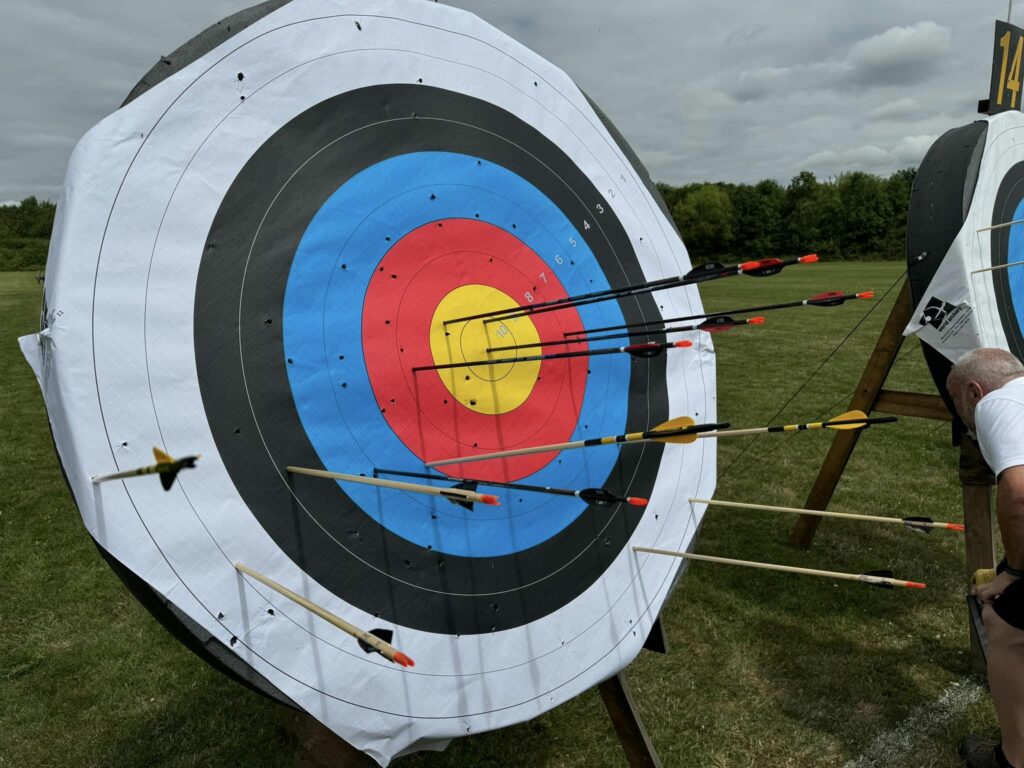
3. Too much advice, not enough patience
In my first year I had no shortage of guidance. YouTube rabbit holes, forum threads, club members, even a one to one coaching session. All of it well meant and most of it genuinely useful.
But somewhere in all that noise I started to lose focus and enjoyment.
The problem was not the advice itself. It was what I did with it. I would turn up on a Thursday evening, trying to unwind with a cup of tea, several biscuits and a few dozen arrows ready to switch my brain off after a long week. Instead I would find myself mentally running through a checklist of twelve things I was supposed to be fixing. I would drive home overthinking every arrow I had just shot.
What I eventually worked out was that the rush to improve was entirely self imposed. Nobody at the club was timing my progress or judging my form. That pressure was coming from me, fed by too many voices telling me too many things at once.
What worked for me was giving myself permission to split the two. Some sessions I would focus on form, take the advice on board and work at it. Others I would just shoot. If someone offered a tip on a Thursday evening I was not ready for, I learned it was okay to smile, say thanks and park it for next time. Nobody took offence and I enjoyed my evening a lot more.
Not every session needs to be a training session
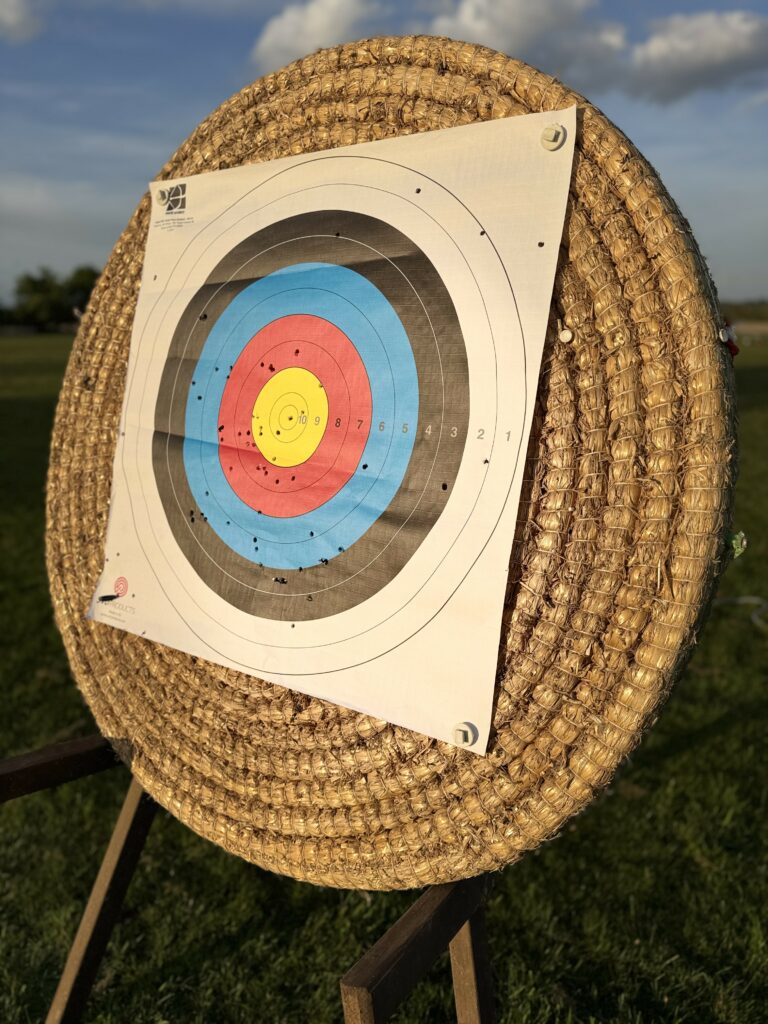
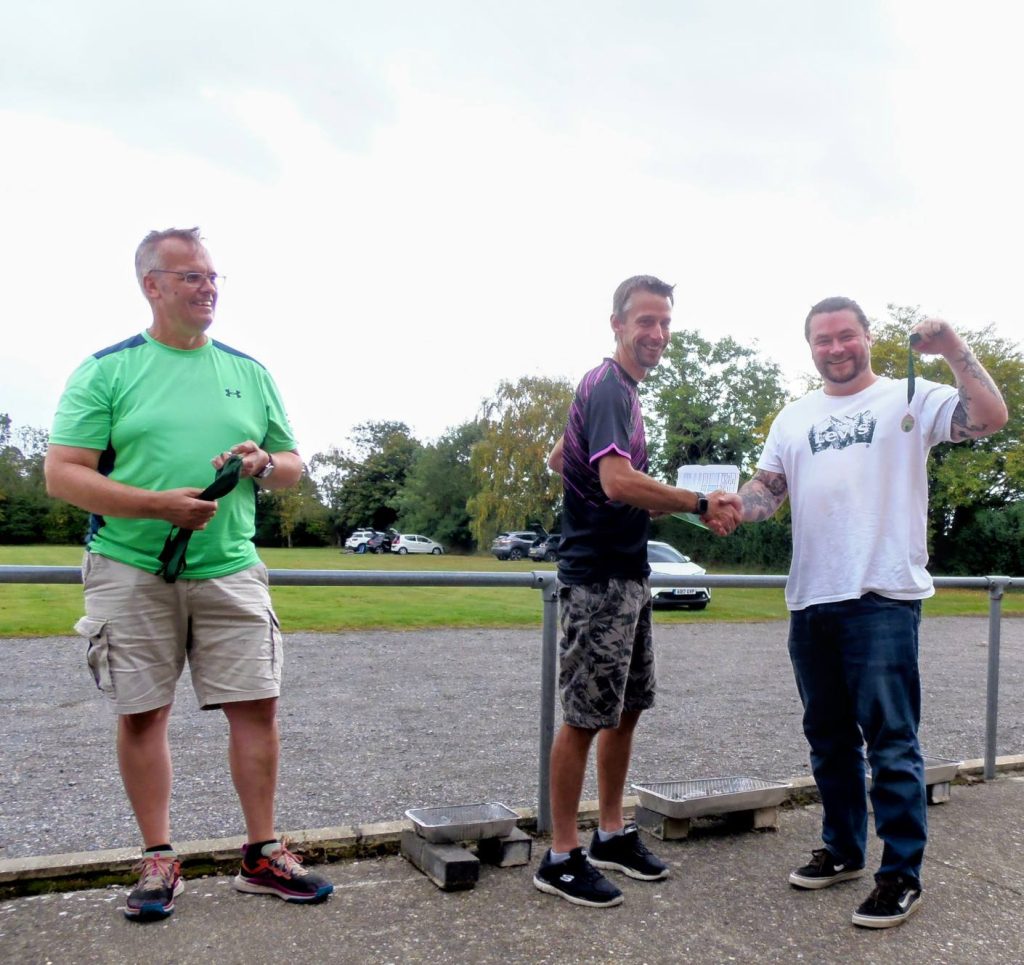
4. The Upgrade Trap
Similar to the form over strength point, I fell into this one hard. I was surrounded by enthusiasts with some impressive kit. Every week someone was unwrapping a new set of arrows, a fresh pair of limbs or a fast-flight string.
To my naive mind I fell into the wrap. That if the experienced archers had state of the art equipment then surely that was the secret. So off I went. New tab, new glove, new arrows and I even spent an evening handmaking my own bow stand, which I was very proud of. I still shot terribly.
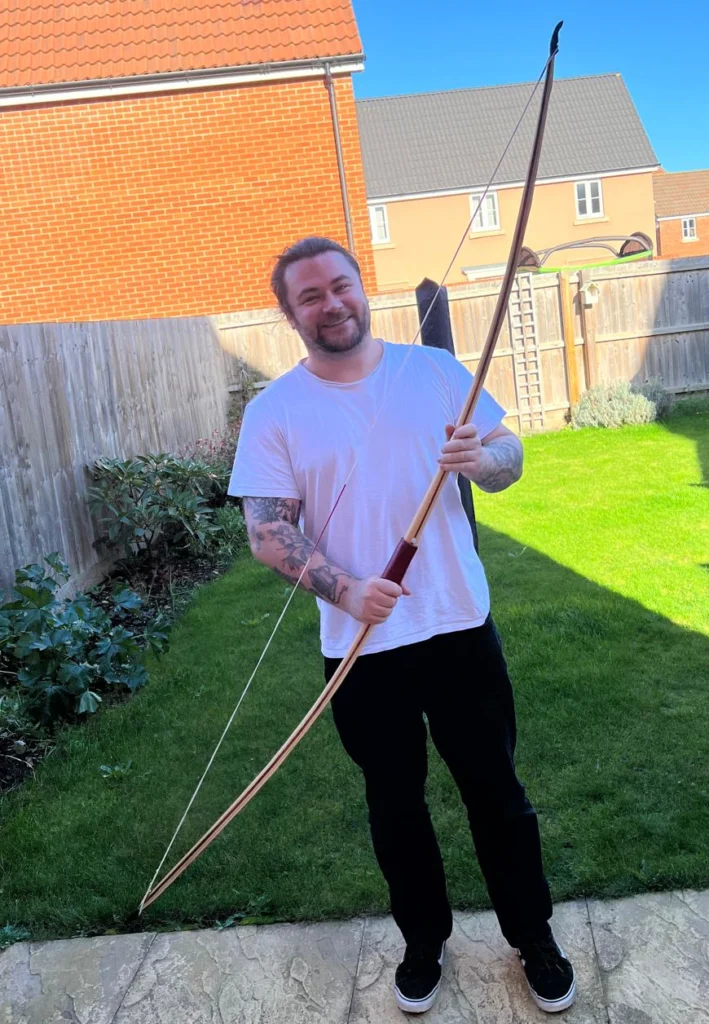
I bought myself a custom made English longbow. Waited 10 long weeks for it and broke half the arrows the same week. I would see another archer practise with their own longbow for some casual shooting and shoot better in one end than I had all morning. It wasn’t the equipment that made his shoot better, it was their attitude, discipline and experience.
There are no shortcuts. Not even with a state of the art sight, scope or stabiliser.
5. Dealing with Target Panic
Archery target panic is a mental, subconscious reaction to shot anticipation. Or also known as “Drive-By” Shooting.
Effectively I would begin my shot process and as soon as my aim was remotely near the target I would release. The arrow going where it pleased. Upon reflection this came from one main factor. Shooting a bow I was not ready for. This links to my above point of the upgrade trap. Oddly shooting the same bow outside wasn’t an issue. I had a couple of bad shots inside that ended in a broken arrow and a couple of sideline comments. This knocked my confidence and every time I went to shoot it was uncontrolled.
My form had gone out of the window and the enjoyment of the sport with it.
it felt like it set me back months. My arrows were hitting neighbouring targets, the wood frame, the wall, anywhere but what I wanted to hit.
I went back to the basics. I moved down to a lower poundage bow, removed target faces, shot fewer arrows per round and one of the most important things was to stop looking at other peoples results. One of the biggest lessons I learnt throughout my archery journey was that I am only competing against myself.
I asked more experienced archers for tips and what worked for me was to change how I approached the draw. I changed my whole process to ensure aiming was one of the last things I did. I started by having the bow away from my body and holding the bow higher. Rather than drawing from a lower angle. Then I would draw the arrow back slowly, bring the bow down and closer to my body and to my aim. This meant several things. I was engaging my back muscles more, not worrying about the target until the end of the process and overall gaining a sense of control over the process. This wasn’t an immediate fix. But feeling in control gave me back confidence.
The key takeaway from this experience was to ask for support and to focus on my own process and results. I had to program myself to follow a step set of sets before I was “live”.
It’s also worth mentioning that although my target panic came from rushing into a higher poundage bow it can come from other factors. If you wanted to see how other archers dealt with it there is a great article here by nockonarchery.com
If you wanted to follow more of my journey, feel free to check out my TikTok @the.duck.archer